Bableves and Hungary's winter soups: Jókai, Újházi and the morning-after soup
A soup costs about 3,590 Ft on average in an ordinary Budapest restaurant in November 2026, with most between 2,800 and 4,350 Ft. One winter soup on Budapest menus is bableves, bean soup, and the version called Jókai bean soup carries the name of the 19th-century novelist Mór Jókai.
Below: the story of Jókai bean soup and how its recipe changed, two more soups named after a fan and an effect, what a soup costs, and where our partners serve them.
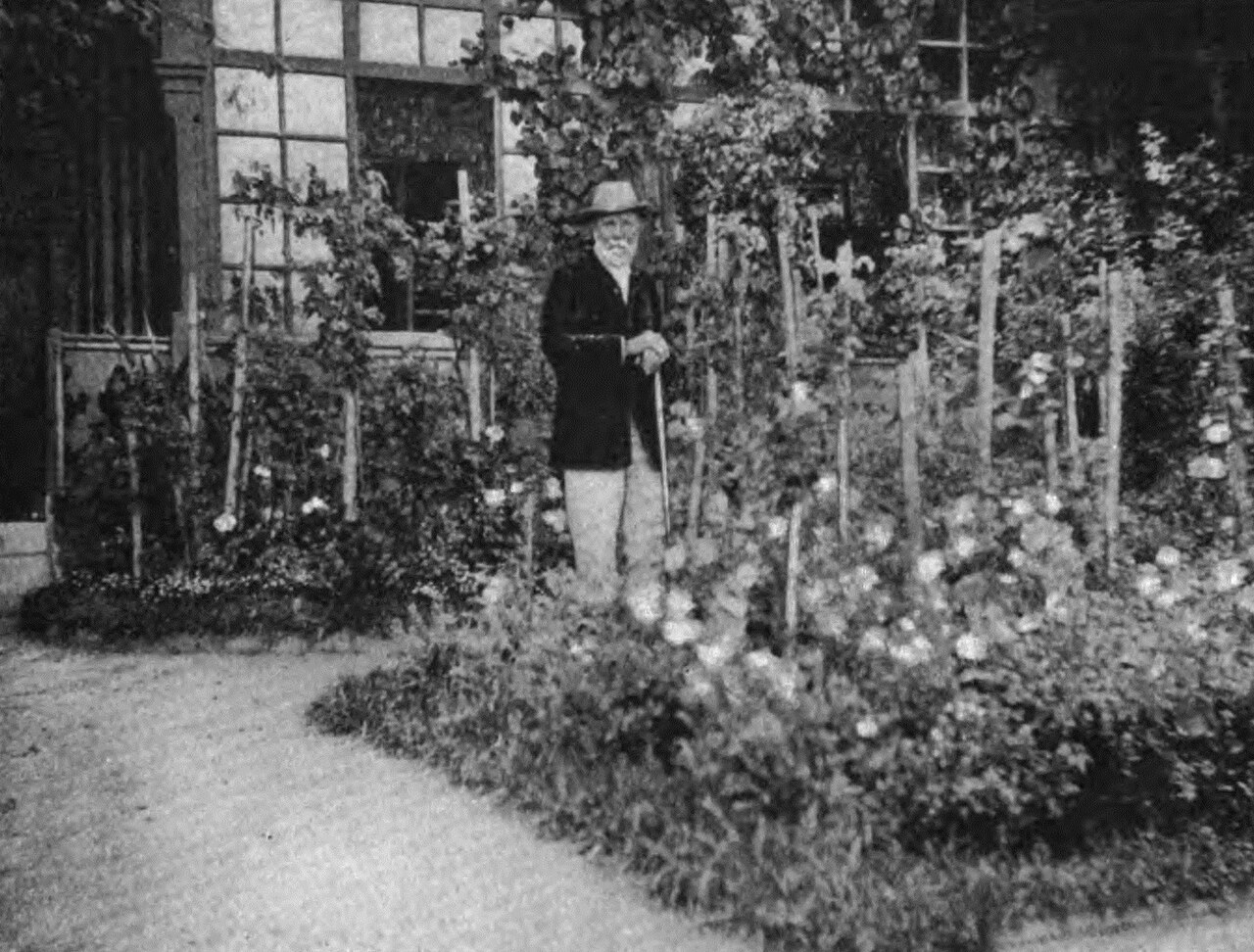
Jókai bean soup: a writer's name on the menu
Mór Jókai was a Hungarian novelist of the 19th century and a lover of good food. From 1870 he spent his summers in a villa he had built in Balatonfüred, on the northern shore of Lake Balaton, with his wife, the actress Róza Laborfalvi, until her death in 1886. He sold the villa a few years later, and since 1954 it has been the Jókai Memorial House.
The soup's link to him is a legend with several versions. In one, told by the Gundel restaurant and by Hungarian Wikipedia, Jókai ordered a bean soup in Balatonfüred made the way his mother and his wife cooked it for him at home. In another, he liked the bean soup of a Balatonfüred inn so much that from then on he would only eat bean soup made that way, even at home. Neither story is documented; both are legend.
Greek rosaries and angels' boots: the original recipe
The soup Jókai is said to have loved was simpler than today's. According to Hungarian Wikipedia, it was large beans cooked with smoked pig's trotters and a thick paprika roux, with no vegetables, no noodles and no ham hock.
It also came with a joke. Good bean soup, the story goes, needs beans as big as "the rosary of Greek monks", with a trotter that is golden in colour and shaped like an angel's boot. In the dish's poetic name, the beans were the "Greek rosary" and the trotter the "golden boot" or "angel's boot".
Today's Jókai bean soup, with smoked pork hock, vegetables and noodles, is a later version that was born at the Gundel restaurant. Its recipe appeared in Károly Gundel's Kis magyar szakácskönyv (Little Hungarian Cookbook) in 1937.
Újházi chicken soup: an actor's soup
Not every famous soup is named after a writer. Újházi tyúkleves, a rich chicken soup with vegetables and thin noodles, is named after the actor Ede Újházi, who lived from 1841 to 1915.
The story goes that on his visits to the Wampetics, the restaurant that later became Gundel, Újházi described the soup he liked: pieces of mature hen, giblets, noodles and the right vegetables. The next day the chef surprised him with the first version. The novelist Gyula Krúdy wrote about its origin more than once, in different versions, so this too is best read as legend.
Korhelyleves: the soup for the morning after
Korhelyleves is a sour soup of sauerkraut and smoked sausage. Its name says what it is for: korhely means a hard drinker, and the soup is said to sit well in the stomach after a long night of eating and drinking, thanks to its pleasantly sour taste.
The word itself has a surprising history. According to Wiktionary, korhely comes from the German Chorherr, "canon", a member of a church chapter, and was first recorded in Hungarian in 1578. The poet Mihály Csokonai Vitéz mentions the "korhel-leves" in his poem A tél (Winter), half in jest, as the remedy that gives an overloaded stomach new strength after a ball.
What a soup costs and where to eat it
Our price guide puts the average soup at about 3,590 Ft in an ordinary Budapest restaurant, checked on 8 November 2026, with most between 2,800 and 4,350 Ft. Goulash soup ranges from about 2,750 to 5,450 Ft, and our goulash guide explains the soup and the stews that share its name.
Winter soups on our partners' menus in November 2026:
- Rokfort Hungarian Table Restaurant, District V: Jókai babgulyás, which here is goulash soup with beans, sausage and sour cream, for 4,490 Ft.
- Napfényes Restaurant & Patisseries, District V: a plant-based Hungarian bean goulash soup, 1,400 Ft a cup or 2,600 Ft a bowl.
- Marischka Buda, District I: Újházi chicken soup with noodles for 3,500 Ft.
- Komédiás Kávéház, District VI: tarragon veal ragout soup, 2,490 Ft a cup or 3,980 Ft a bowl.
Some of our partners serve soup in a cup or a bowl, and a cup is a lighter start before a main course. Classic bean dishes are made with meat, so if you eat vegetarian, our guide to vegetarian and vegan Hungarian food lists what to ask about. For the red fish soup of the south, see our halászlé guide.
At DinePass partners the discount applies to à la carte food and drinks. The card's 10–30% discount applies to everyone dining with you.
Quick answers
What is bableves?
Hungarian bean soup. Jókai bean soup, the version named after the novelist Mór Jókai, is made today with beans, vegetables, smoked pork hock and noodles.
Why is it called Jókai bean soup?
It is named after the 19th-century novelist Mór Jókai. By legend he loved a bean soup he ate in Balatonfüred; the story has several versions.
What was the original Jókai bean soup like?
Simpler: large beans with smoked pig's trotters and a thick paprika roux, without vegetables or noodles. Today's recipe appeared in Károly Gundel's cookbook in 1937.
How much is a soup in Budapest?
About 3,590 Ft on average in an ordinary restaurant in November 2026, with most between 2,800 and 4,350 Ft.
What is korhelyleves?
A sour soup of sauerkraut and smoked sausage, eaten after a night of drinking. Korhely means a hard drinker.
Who was Újházi?
Ede Újházi, a Hungarian actor who lived from 1841 to 1915. The rich chicken soup Újházi tyúkleves is named after him.
Jókai, the villa and the soup's legends from Hungarian Wikipedia and the Gundel restaurant; Újházi from Hungarian Wikipedia; korhely from Wiktionary; the poem from Csokonai's collected poems (MEK); the soup prices from our price guide; partner dishes from their live menus. Checked on 8 November 2026.

Got a question? Ask a local
Bálint answers personally, usually within a day.
Your question is not stored on this site: it goes straight to WhatsApp or your e-mail app.
A word of Hungarian
Jó étvágyat!
/ˈjoː ˈeːtvaːɟɒt/
Was this page useful?